{{ 'fb_in_app_browser_popup.desc' | translate }} {{ 'fb_in_app_browser_popup.copy_link' | translate }}
{{ 'in_app_browser_popup.desc' | translate }}
全館消費,折扣後滿$1500,台灣地區免運費
{{ childProduct.title_translations | translateModel }}
{{ getChildVariationShorthand(childProduct.child_variation) }}
{{ getSelectedItemDetail(selectedChildProduct, item).childProductName }} x {{ selectedChildProduct.quantity || 1 }}
{{ getSelectedItemDetail(selectedChildProduct, item).childVariationName }}
折扣後,消費金額滿1500元,台灣地區免運費 on order
消費滿$500,ATM轉帳優惠折扣20元 on order
🎁 只給你的貼心小禮,謝謝你一直都在|數量有限,送完為止。 on order
Not enough stock.
Your item was not added to your cart.
Not enough stock.
Please adjust your quantity.
{{'products.quick_cart.out_of_number_hint'| translate}}
{{'product.preorder_limit.hint'| translate}}
Limit {{ product.max_order_quantity }} per order.
Only {{ quantityOfStock }} item(s) left.
Product Number: HA10065
Fabric Characteristics:
Ironing Temperature:
Set your iron to the "Silk" setting. Do not iron at high temperatures. The fabric is water-repellent but not fireproof.
Width: approximately 135 cm
Origin: Taiwan
Understanding PET Bottle Eco-Friendly Fibers
What are PET bottle fibers?
PET bottle fibers are eco-friendly regenerated fibers made from recycled PET bottles.
How are PET bottle fibers produced?
The raw material for PET bottles is polyethylene terephthalate (PET resin), derived from petroleum.
The process from recycling PET bottles to fabric involves creating regenerated fibers.
Steps:
1. Clean the bottle caps and labels thoroughly.
2. Crush and shred them into small pieces.
3. Heat and melt the pieces into plastic pellets.
4. Melt the pellets, add organic dye, and extrude into fibers, producing black fibers.
5. Spin these fibers into regenerated yarn.
Because eco-friendly regenerated fabrics require special processing, their prices are generally higher than traditional fabrics.
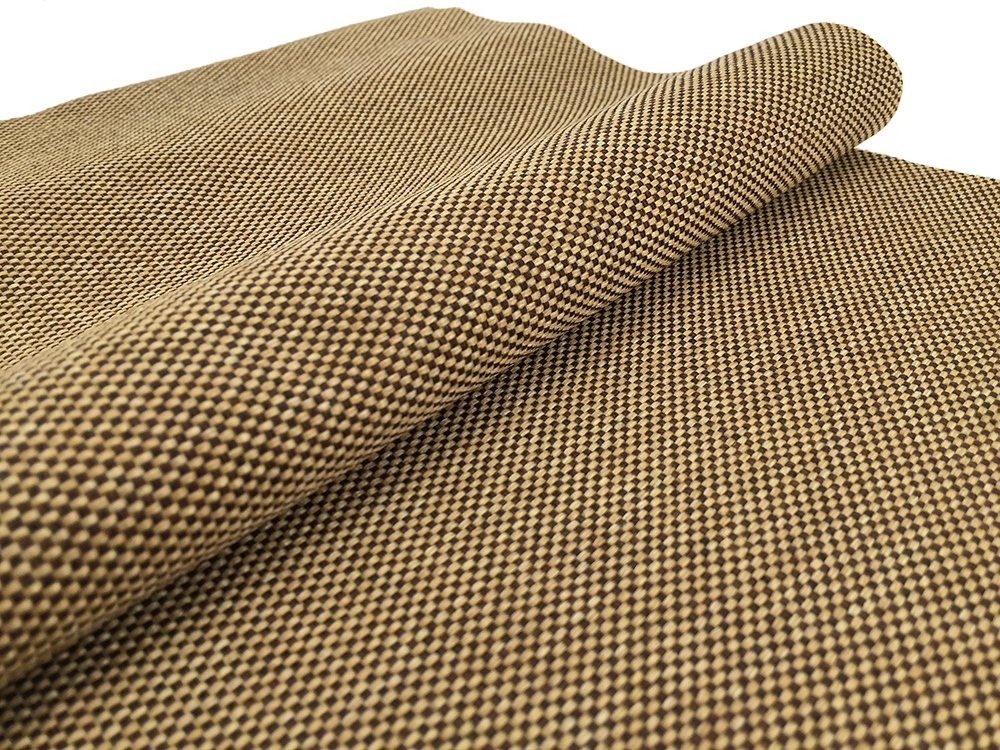
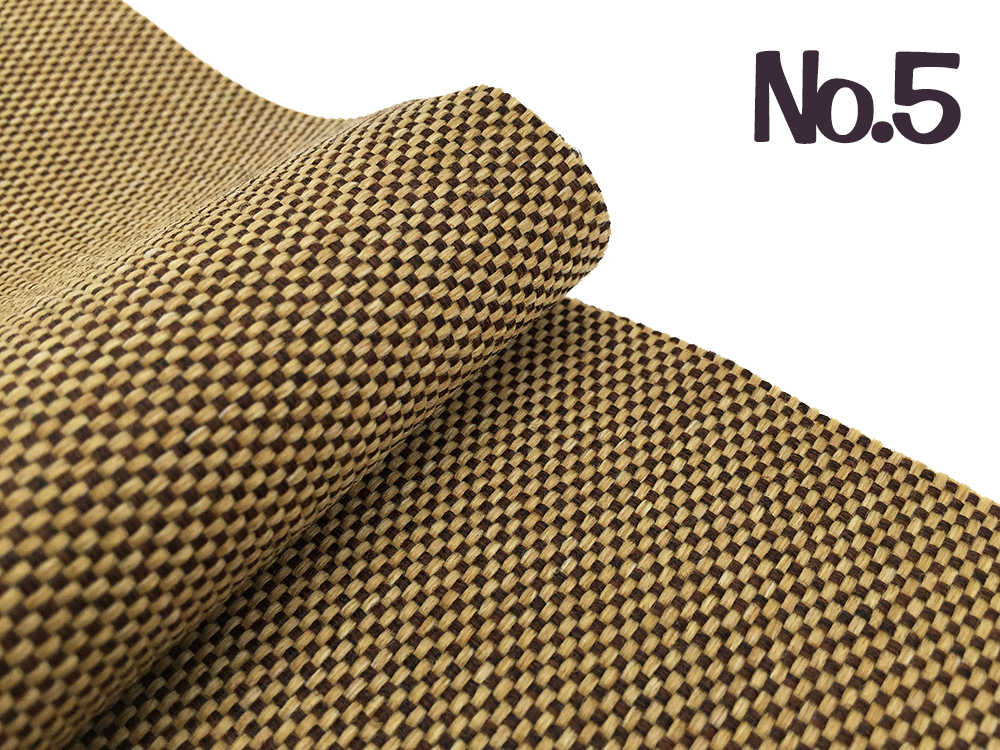
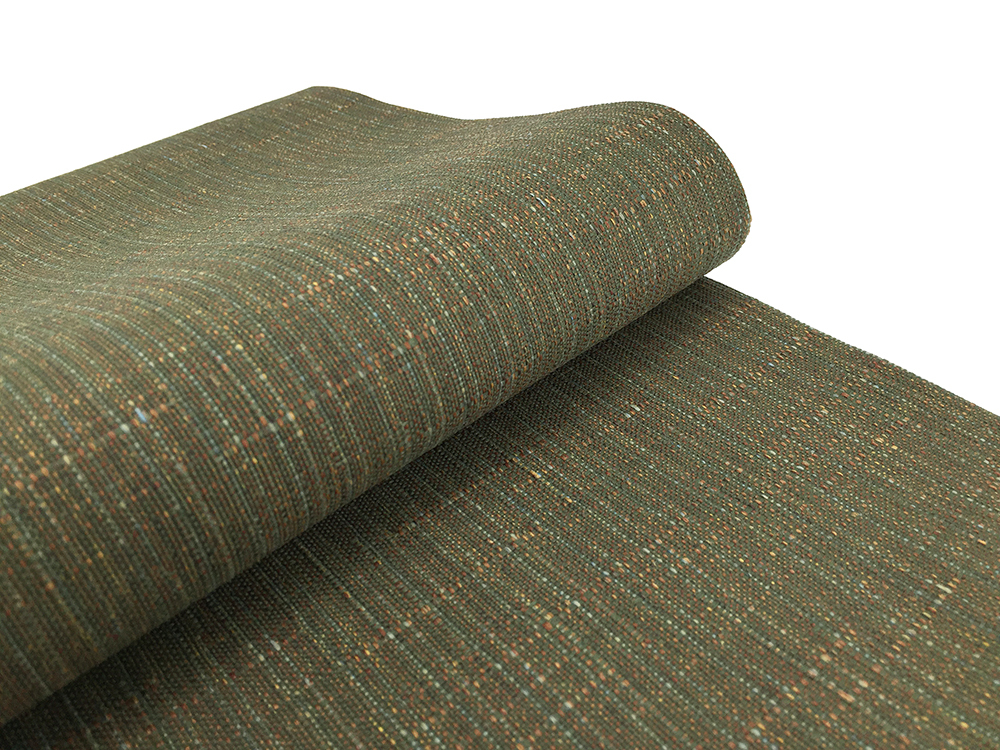
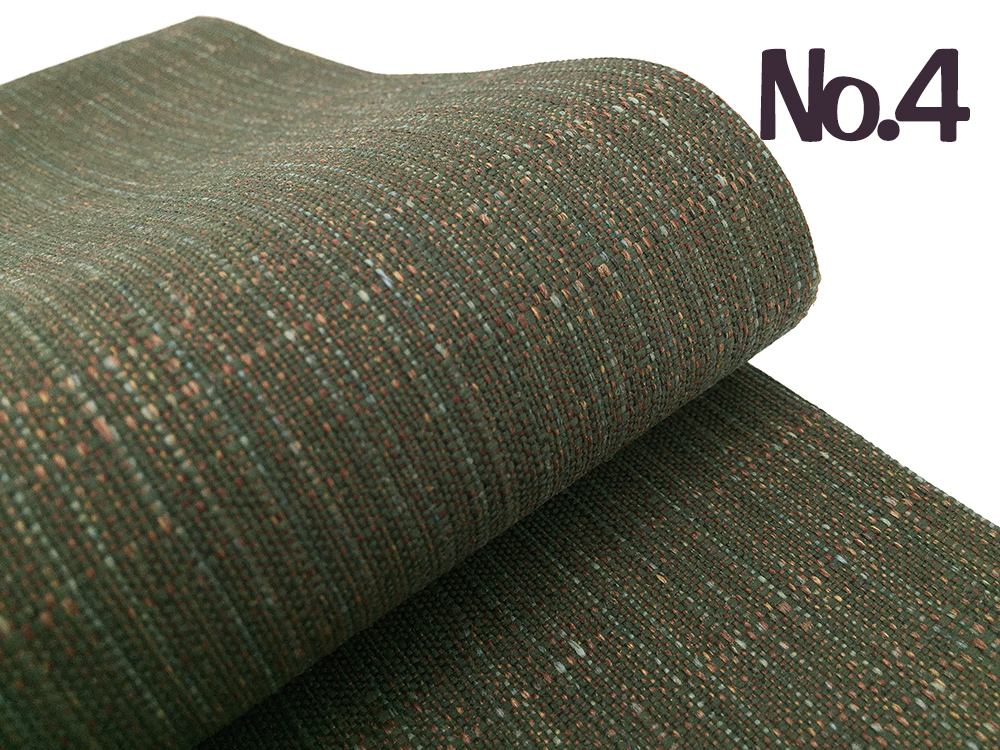
The R.E. Eco Series PET bottle fiber fabric features a special weave pattern, making even simple bags look minimalistic and stylish.